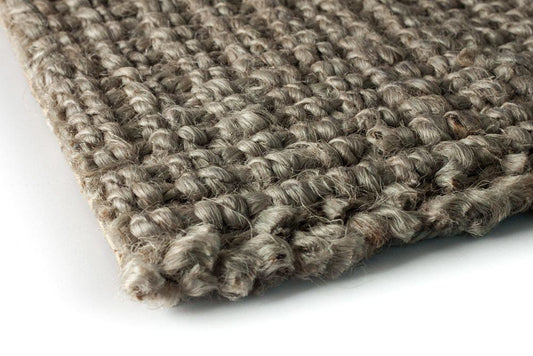
Collection: Natural Rugs (Jute/Hemp, Sisal, Coir, Seagrass)
Discover Greenhaus natural weave rugs, made and supplied in jute, sisal, seagrass, and other organic fibres. Durable and timeless, each rug adds texture, warmth, and natural elegance to living rooms, bedrooms, and entryways while offering long-lasting style and comfort.
Each quote is based on stock availability, current pricing, and delivery costs. Please request a quote so we can work out the best deal for you.

-

 Sale
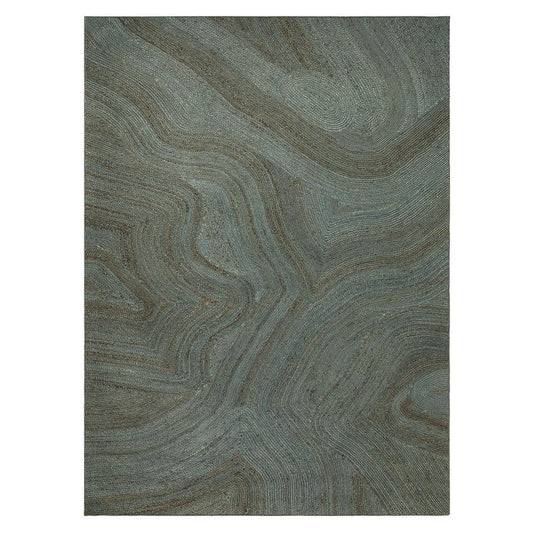
SaleAmore Jute Rug
Regular price From R 15,295.00 ZARRegular priceUnit price perR 15,500.00 ZARSale price From R 15,295.00 ZARSale -
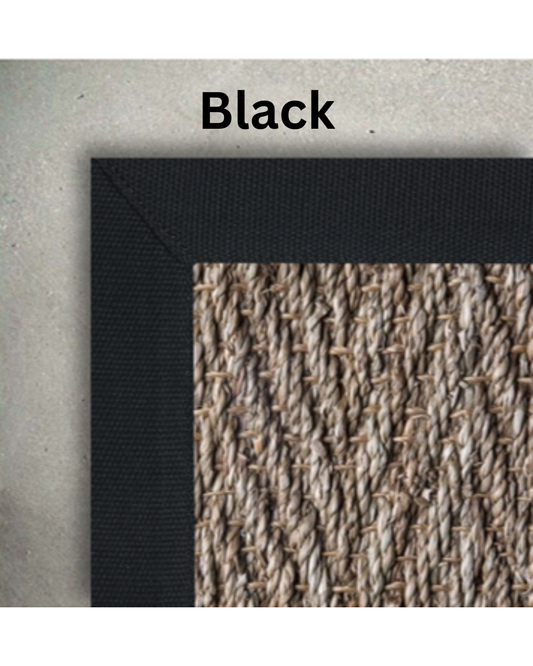
Custom Seagrass Herringbone Rug
Regular price R 1,710.00 ZARRegular priceUnit price per -

 Sale
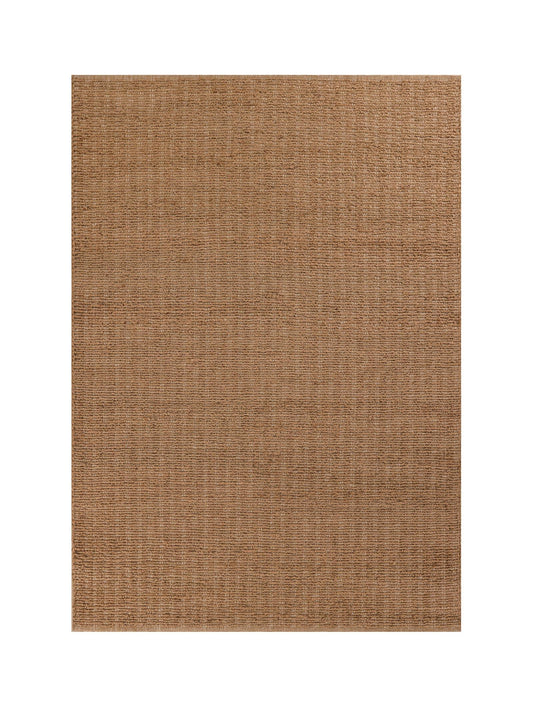
SaleJutties Indoor Rug
Regular price R 12,100.00 ZARRegular priceUnit price perR 12,300.00 ZARSale price R 12,100.00 ZARSale -
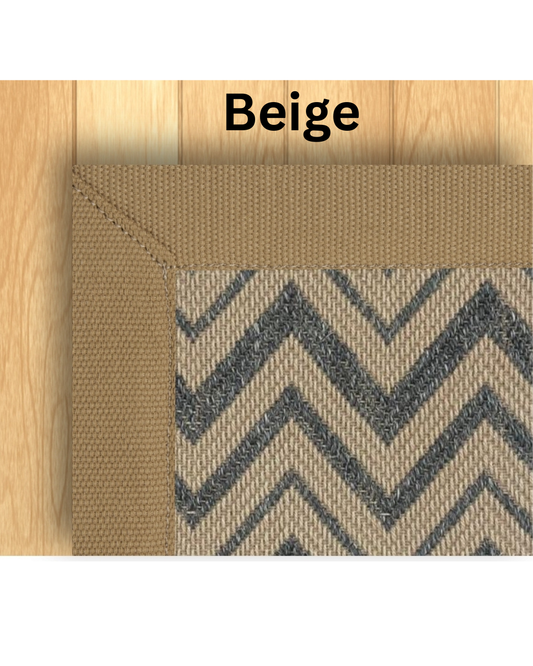
Custom Sisal Jute Migration Rug
Regular price R 1,695.00 ZARRegular priceUnit price per -
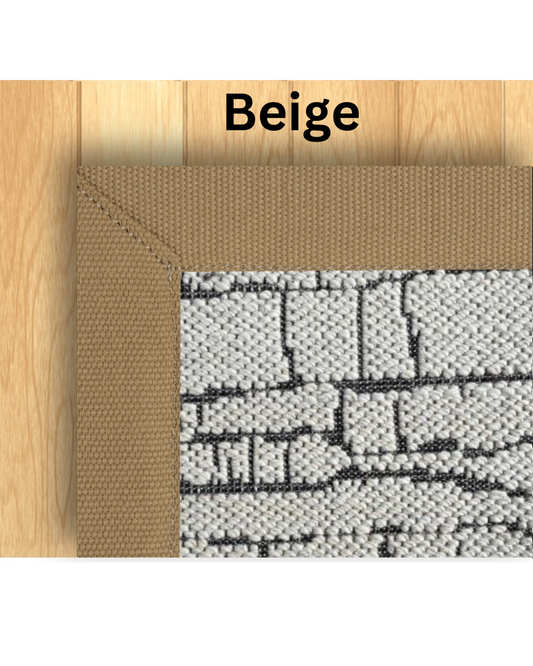
Custom Jute Wood Erosion Rug
Regular price R 1,395.00 ZARRegular priceUnit price per -
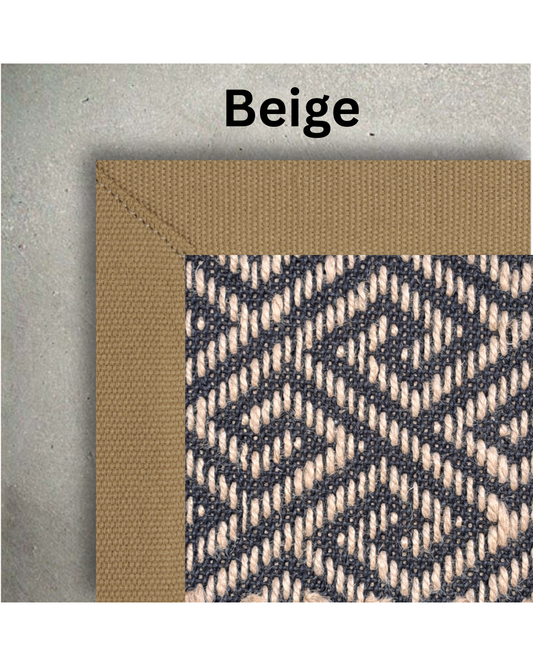
Custom Jute Labarinth Rug
Regular price R 1,395.00 ZARRegular priceUnit price perR 1,495.00 ZARSale price R 1,395.00 ZARSale -
Custom Wool Jute Ant Colony Rug
Regular price R 1,395.00 ZARRegular priceUnit price per -
Custom Sisal Panama Kalahari Rug
Regular price R 1,295.00 ZARRegular priceUnit price per -

 Sold out
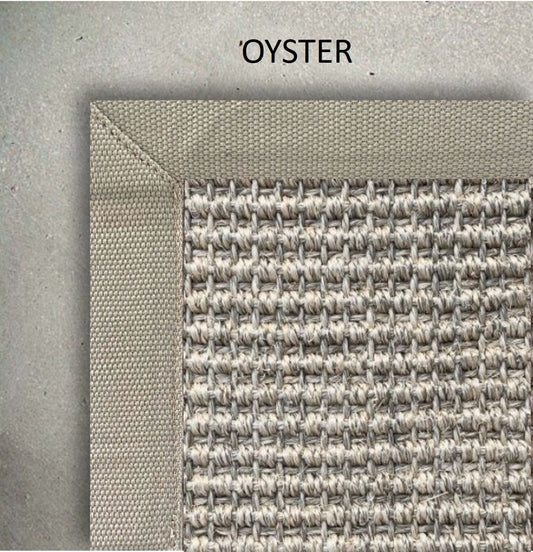
Custom Sisal Flat Cork Marble Rug
Regular price R 1,295.00 ZARRegular priceUnit price per -
Custom Sisal Heavy Boucle Marble Rug
Regular price R 1,295.00 ZARRegular priceUnit price per -
PET - Rugga Saturn Rug
Regular price R 1,895.00 ZARRegular priceUnit price per -
Custom Jute River Maps Rug
Regular price R 1,395.00 ZARRegular priceUnit price per -
Custom Sisal Jute Wheat - Indoor Rug (Round)
Regular price R 1,095.00 ZARRegular priceUnit price per -
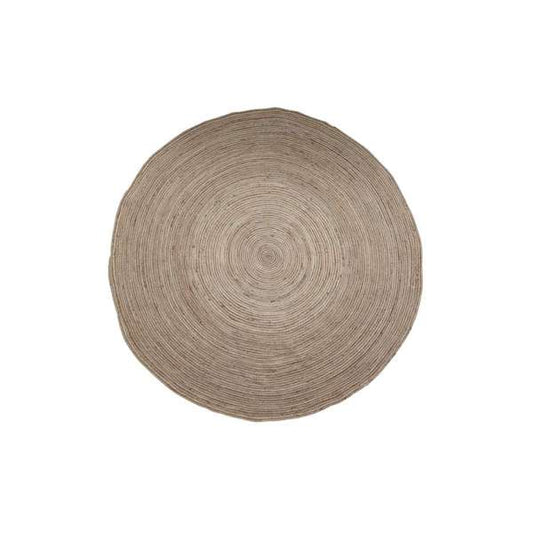
Custom Natural Jute Panama Rug (Round)
Regular price R 1,795.00 ZARRegular priceUnit price per -
Custom Natural Jute Panama weave Rug
Regular price R 1,395.00 ZARRegular priceUnit price per -
Custom Natural Jute Boucle Weave Rug
Regular price R 1,395.00 ZARRegular priceUnit price per -
Custom Sisal Jute Wheat Indoor Rug
Regular price R 1,095.00 ZARRegular priceUnit price per -
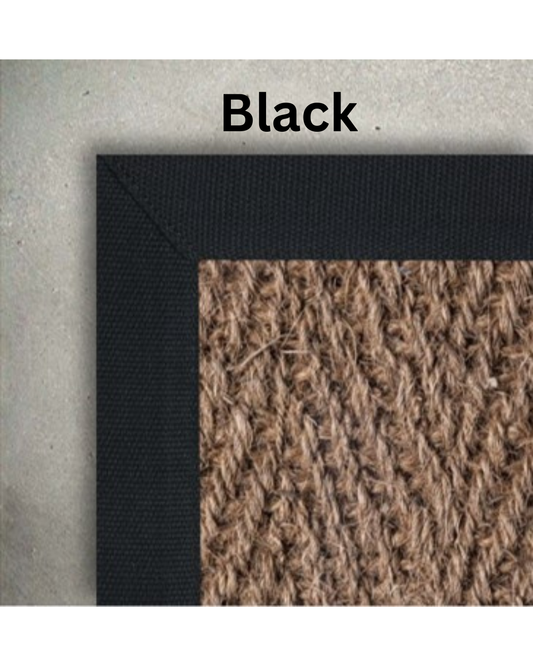
Custom Coir Herringbone Rug
Regular price From R 695.00 ZARRegular priceUnit price per -
Daze Natural Jute Rug (Round)
Regular price R 5,900.00 ZARRegular priceUnit price perR 6,100.00 ZARSale price R 5,900.00 ZARSale -
Custom Natural Hemp Boucle weave Rug
Regular price R 1,150.00 ZARRegular priceUnit price per